Storm Damage Requiring Immediate Response
Emergency Tree Services in the Cranston, RI area for fallen trees and broken limbs threatening homes and access routes
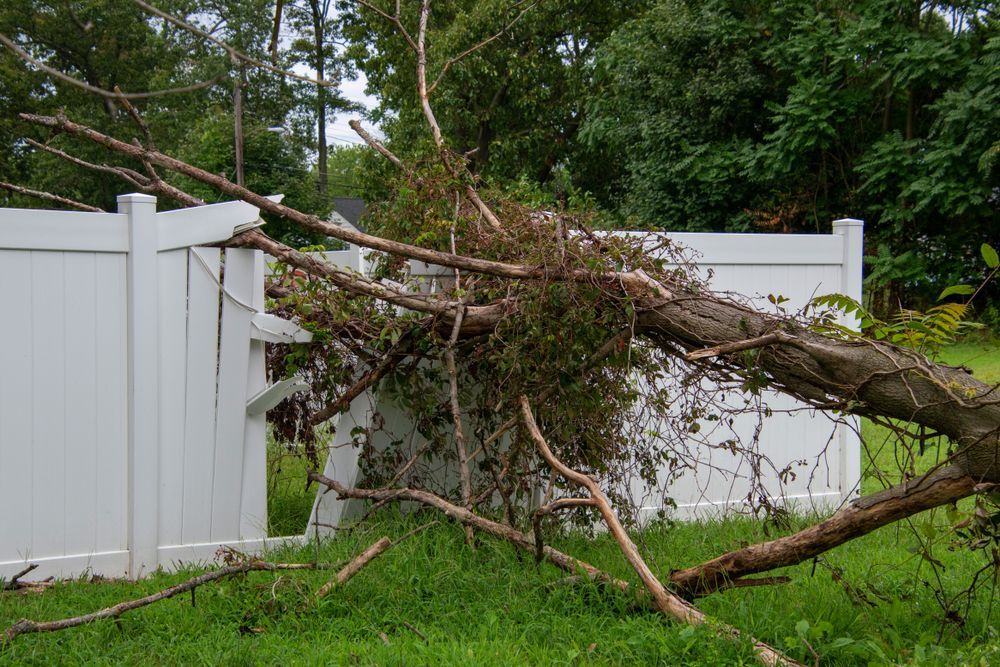
High winds, ice accumulation, and sudden summer storms cause trees and large branches to fail without warning, blocking driveways, damaging roofs, crushing vehicles, and creating hazards that need immediate attention before additional harm occurs. Following these events, Edgewood Tree Service responds rapidly throughout Cranston, Johnston, North Providence, and surrounding areas to address fallen trees, broken limbs hanging precariously, and partially uprooted specimens that could collapse at any moment. The work focuses first on restoring safe access and protecting structures, then on assessing whether damaged trees can be salvaged or need complete removal.
Emergency situations involve trees leaning against homes with roots partially exposed, large branches suspended in canopies and held only by bark strips, or complete failures that have landed on power lines, vehicles, or buildings. Each scenario requires different equipment and techniques—trees under tension must be carefully relieved before cutting to prevent sudden movement, and those entangled with utilities need coordination with power companies before removal can proceed safely.
Contact us immediately when emergency tree issues arise so we can assess the situation and begin safe removal as quickly as conditions allow.
What Happens After Urgent Removal
The initial response clears immediate threats by removing fallen sections, cutting away broken limbs, and stabilizing unstable trees that haven't fully failed, using rigging techniques to control each cut and prevent further property damage as large sections are lowered. Storm-damaged trees often have split trunks, torn bark, and compromised root systems that aren't immediately obvious, and the emergency assessment determines whether what remains can recover or whether the entire tree has been fatally damaged.
After the hazard is cleared, you're left with safe access restored, debris removed or staged for pickup, and a clear understanding of what additional work is needed—whether that involves grinding stumps, pruning damaged trees to promote recovery, or removing unstable sections that weren't part of the initial failure but were weakened by the same storm. The site is left secure, with no hanging branches or unstable trunks that could fail later.
Emergency response also includes documenting damage for insurance purposes, photographing conditions before removal, and providing detailed descriptions of what failed and why. Property owners receive information about what caused the failure, whether it was preventable, and what can be done to reduce risk from remaining trees.
What Property Owners Usually Ask
Storm damage situations raise urgent questions about safety, timing, and next steps for affected properties.
Edgewood Tree Service prioritizes safety and prompt response when storm damage creates urgent tree hazards. Reach us at (401) 696-9677 when fallen or damaged trees require immediate professional attention.
How quickly can emergency tree removal begin after a storm?
Response time depends on the severity of the event and the number of calls received, but priority is given to situations involving active hazards like trees on structures, blocked access routes, or limbs entangled with power lines.
What should property owners do while waiting for emergency tree services in Cranston?
Stay clear of damaged trees and downed limbs, avoid walking under partially fallen branches, keep vehicles and people away from leaning trees, and contact your utility company if power lines are involved before anyone attempts removal.
How do you safely remove a tree that's fallen on a building?
The process involves stabilizing the tree to prevent shifting, cutting it into manageable sections starting from the top and working down, and using ropes or cranes to lift pieces away from the structure without causing additional impact or scraping damage.
What determines whether a storm-damaged tree can be saved?
Trees that retain more than half their canopy, have intact root systems, and haven't suffered major trunk splitting or bark stripping often recover with corrective pruning, while those with severe structural damage or root failure typically decline and become ongoing hazards.
What happens to debris after emergency removal?
Large sections are cut into manageable lengths and either removed from the site or left stacked for firewood if requested, while brush and smaller material is chipped or hauled away depending on volume and property owner preference.