Trees Showing Signs They Need Attention
Tree Health Assessments in Cranston and surrounding areas for identifying structural weaknesses and disease before costly removals become necessary
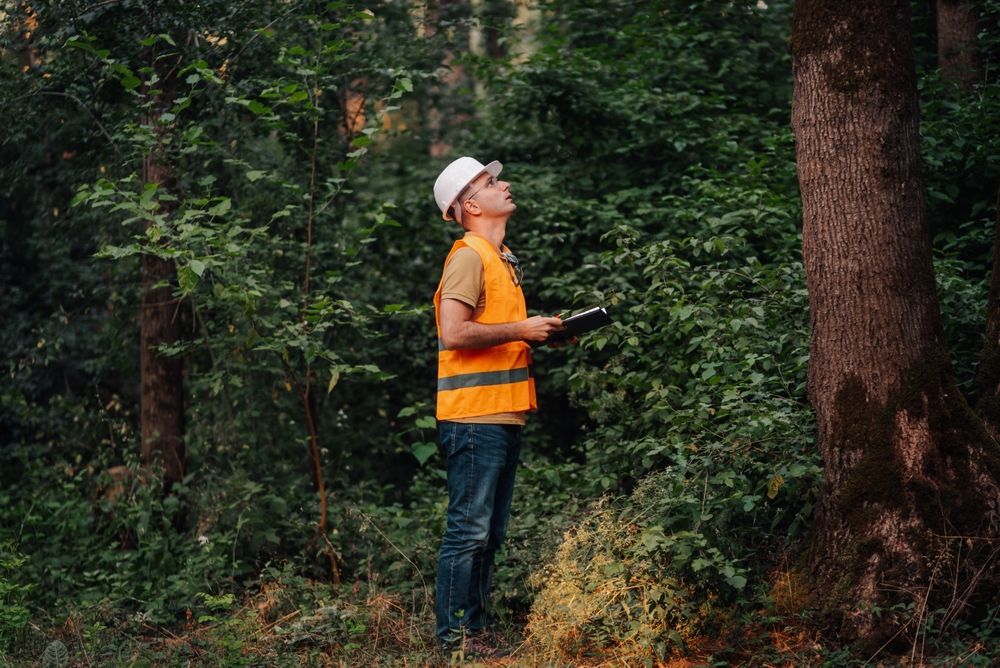
Edgewood Tree Service evaluates overall tree health and structural condition throughout Cranston, East Providence, North Providence, and neighboring communities, focusing on early detection of problems that, if left unaddressed, can lead to sudden failure or expensive removals. You notice changes like discoloration, thinning canopies, or visible decay, but determining whether a tree needs treatment, pruning, or removal requires understanding what's happening beneath the bark and within the root system. These assessments become especially important for trees standing near homes, driveways, or high-traffic areas where failure creates immediate safety risks.
The evaluation process identifies signs of stress, decay, disease, pest activity, and structural damage by examining trunk condition, branch attachment points, root flare visibility, and canopy health. Trees under stress often show symptoms months or years before they become hazardous, and catching issues like root rot, internal decay, or pest infestations early allows for targeted treatment rather than reactive removal.
Schedule a professional inspection to determine what's affecting your trees and what options you have for preserving them.
What a Proper Assessment Reveals
The inspection examines visible indicators alongside less obvious structural issues, including co-dominant stems with weak attachments, cavities that compromise trunk integrity, and root damage from compacted soil or construction activity. Many problems show up first in the canopy—premature leaf drop, branch dieback starting at the tips, or dense epicormic sprouting along the trunk—but the underlying cause often involves root stress, vascular disease, or pest damage that's progressing unseen.
After the evaluation, you receive clear recommendations based on what's found: whether a tree benefits from corrective pruning to improve structure, targeted treatment for disease or pests, soil amendments to reduce root stress, or removal if the tree poses unacceptable risk. Edgewood Tree Service prioritizes preserving healthy trees whenever the condition allows, and the assessment defines exactly what's required to extend the life of a valuable specimen versus when removal is the safer, more practical choice.
The assessment also considers proximity to structures, overhead lines, and pedestrian areas, factoring in how a tree's condition and location combine to determine risk level. Trees near buildings may need more conservative treatment decisions than those in open areas, and the recommendations reflect those site-specific considerations.
Answers to Frequent Service Questions
Property owners often ask similar questions when considering whether their trees need professional evaluation.
Edgewood Tree Service provides thorough evaluations that give you the information needed to make informed decisions about your trees. Contact us to arrange an on-site inspection and receive recommendations based on current tree condition and site factors.
What specific signs indicate a tree needs a health assessment?
Visible decay, large dead branches, leaning that wasn't present before, fungal growth on the trunk or roots, and significant canopy thinning all warrant professional inspection, as these symptoms often signal internal problems that aren't fully visible from the ground.
How does the assessment process work for trees near buildings?
The evaluation includes measuring lean angle, examining root plate stability, checking for cracks in the soil around the base, and assessing whether the canopy is weighted unevenly—all factors that determine whether a tree poses immediate risk to nearby structures or can be managed through pruning and monitoring.
When is the best time to schedule a tree health inspection in Cranston?
Late spring through early fall provides the clearest view of canopy health and active pest or disease symptoms, though assessments for storm-damaged or visibly unstable trees should happen immediately regardless of season.
What happens after the assessment if treatment is recommended?
You receive a detailed explanation of the issue, the proposed treatment approach, and the expected outcome, whether that involves targeted pruning, pest management, soil improvement, or cabling to support weak branch unions.
How often should trees be reassessed once a problem is identified?
Trees treated for disease, pest activity, or structural issues typically need follow-up inspections within one to two years to confirm the treatment is working and to catch any progression that requires additional intervention.