Hazardous Trees Removed Before Damage Occurs
Tree Removal in Cranston and surrounding areas for specimens compromised by disease, storm damage, or structural failure threatening homes and vehicles
A diseased oak leaning toward your garage or a split maple with half its canopy hanging over the driveway creates escalating risk the longer it remains in place. Tree removal becomes necessary when structural issues, advanced disease, or storm damage leave a specimen unsafe to maintain on your property. Edgewood Tree Service handles removals across Cranston, North Providence, Warwick, and neighboring communities for both residential and commercial sites, using controlled methods that protect surrounding structures, landscaping, and utility lines throughout the process. Rhode Island's coastal wind events and winter ice storms frequently cause partial failures—split trunks, broken leaders, or uprooted root systems—that turn previously stable trees into immediate hazards requiring removal rather than attempted repair.
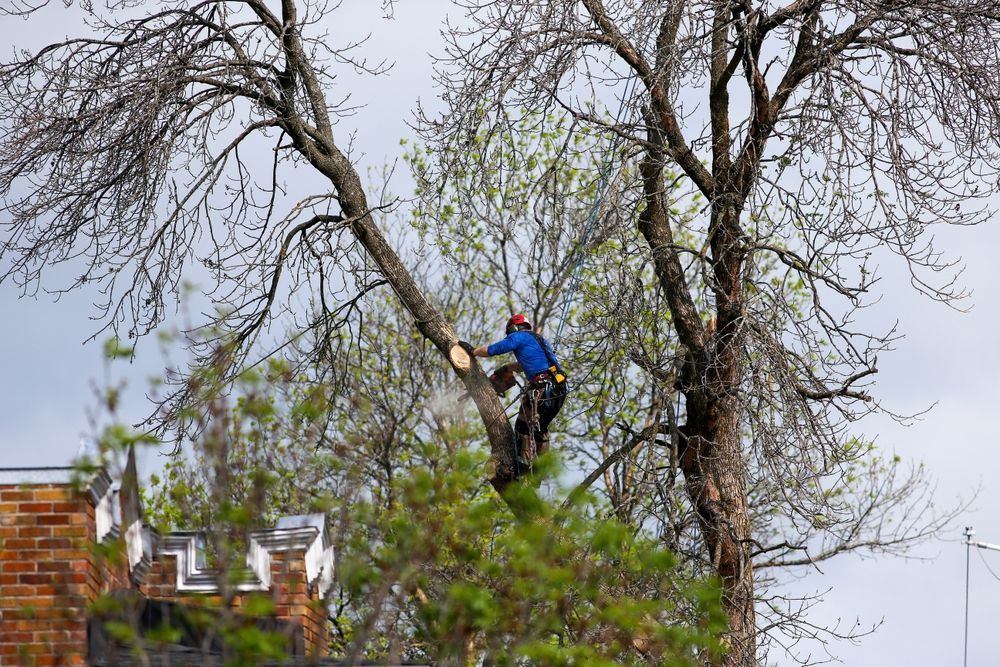
The removal process involves careful planning before any cuts are made, including assessing lean direction, identifying obstacles within the fall zone, and determining whether sectional dismantling is required in confined spaces. Each stage prioritizes safety for people, structures, and neighboring trees.
Schedule an assessment to evaluate specific trees on your property and receive clear recommendations on whether removal is necessary.
What Controlled Removal Involves
Removal planning considers the tree's size, condition, location relative to structures, and access limitations that affect equipment use. In residential yards with limited space, trees are often dismantled in sections from top to bottom using ropes and rigging to control each piece as it's cut, preventing uncontrolled falls that could damage fences, gardens, or buildings below. Larger commercial sites with open space may allow full-length felling when the fall zone is clear, reducing project time while maintaining safety protocols.
After removal is finished, the hazard is eliminated, leaving your property free from the risk of the tree falling during the next storm or dropping large branches onto structures and vehicles. The site is cleared of all debris, including trunk sections, branches, and foliage, with stumps ground below grade when requested as part of the service. Properties regain usable space previously occupied by declining or hazardous trees, allowing for replanting, landscaping changes, or simply improved sightlines and access.
Some removals are driven by property development needs rather than tree health, clearing space for additions, driveways, or utility installations where existing trees conflict with planned construction and must be taken down to allow work to proceed.
Questions Before Scheduling Removal
Homeowners and property managers typically have these concerns when considering tree removal for their sites.
Edgewood Tree Service provides tree removal throughout Cranston and surrounding areas for hazardous, diseased, or unwanted trees on residential and commercial properties. Call (401) 696-9677 to arrange an evaluation and discuss your specific removal needs.
How do I know if a tree actually needs to be removed?
Visible indicators include significant lean toward structures, large dead sections throughout the canopy, fungal growth at the base signaling root decay, split trunks or major cracks, and root damage from construction or soil erosion that destabilizes the tree's foundation.
What happens to the tree after it's cut down?
All debris is removed from your property as part of the service, including trunk sections, branches, and foliage, with wood chipping or hauling completed the same day to leave the site clean and ready for your next steps.
Can removal be done safely in tight residential spaces?
Sectional dismantling allows trees to be taken down piece by piece even in yards with limited access, close proximity to buildings, or obstacles like fences and garden beds that prevent traditional felling methods from being used safely.
What affects the complexity of a removal project?
Tree size, condition, lean direction, proximity to structures and utilities, access for equipment, and whether the tree is already partially failed all influence the planning and methods required to complete removal safely.
Are there specific times of year better for tree removal in Cranston?
Removal can be performed year-round when necessary for safety, though scheduling during dormant months reduces impact on surrounding landscape plants and provides clearer visibility into the tree's structure when foliage is absent.