Structural Corrections That Prevent Future Failures
Tree Pruning in Cranston and surrounding areas for mature specimens requiring balanced growth and long-term health improvements
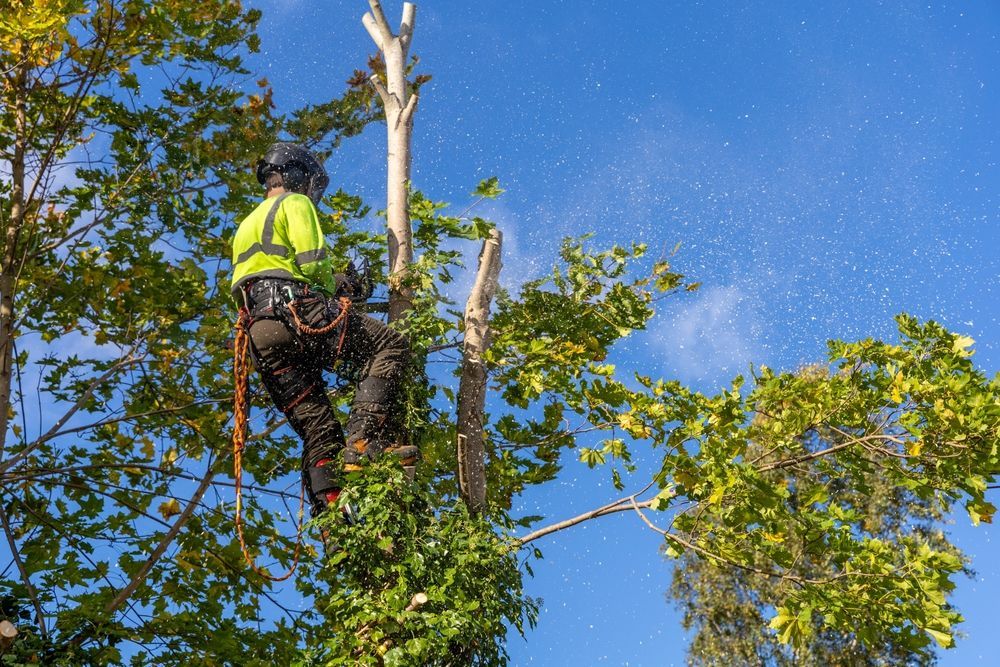
Pruning supports healthy tree development by selectively removing growth that creates structural weaknesses, competes for resources, or disrupts the canopy's natural balance. Unlike trimming, which addresses immediate clearance needs, pruning focuses on long-term tree health through thoughtful decisions about which branches to remove and which to preserve as the tree matures. Edgewood Tree Service provides pruning for residential and commercial properties in Cranston, East Providence, Warwick, and neighboring communities, working with trees at various life stages to correct growth patterns, reduce future maintenance needs, and preserve valuable specimens that define property character. Different tree species respond to pruning on different seasonal schedules—oaks and maples benefit from dormant-season work to minimize stress and disease risk, while spring-flowering trees require post-bloom timing to avoid removing next year's flower buds.
The pruning process removes dead, weak, or crowded branches that drain resources from healthier growth, corrects co-dominant leaders that create splitting risks as the tree ages, and thins dense canopies to improve light penetration and airflow throughout the structure.
Schedule a professional evaluation to determine which pruning approach benefits your specific trees and property conditions.
How Pruning Improves Tree Longevity
Pruning decisions consider the tree's species, age, health status, and structural characteristics to determine which branches should be removed and how much canopy reduction is appropriate without stressing the tree. Removing crossed branches eliminates rubbing wounds where bark damage invites insect and disease entry, thinning crowded interior growth improves air circulation that reduces fungal issues during humid Rhode Island summers, and eliminating weak branch unions prevents splitting failures during ice storms and high winds. Each cut is placed to promote proper healing and direct future growth away from problem patterns.
After pruning is finished, trees develop more balanced canopies with improved weight distribution, reducing mechanical stress on major limbs and the trunk. You notice better overall tree appearance as the natural form becomes more visible without the clutter of deadwood, weak growth, and structural conflicts that previously obscured the tree's shape. Properties maintain healthier trees that require less frequent emergency intervention because structural issues are addressed proactively during maintenance visits rather than waiting for failures to occur.
Pruning is particularly important for preserving mature trees that contribute significant value to properties, as thoughtful maintenance extends their functional lifespan and delays the need for costly removals that would leave landscapes without the shade, character, and privacy that established trees provide.
Frequently Asked Pruning Questions
Homeowners often have these questions when considering pruning services for their established trees.
Edgewood Tree Service provides tree pruning across Cranston and surrounding areas to maintain healthy growth and structural integrity for residential and commercial properties. Call (401) 696-9677 to arrange an evaluation of your trees and discuss maintenance recommendations.
What's the best time of year to prune trees?
Dormant-season pruning during late fall through early spring works well for most species because trees tolerate stress better when not actively growing, wounds heal efficiently once growth resumes, and visibility into the canopy structure is clearer without foliage.
How does pruning differ from regular trimming?
Pruning makes selective decisions about branch removal to improve long-term health and structure, while trimming focuses on immediate clearance and safety concerns like removing branches over roofs or clearing walkways.
Can pruning fix trees with poor growth patterns?
Early intervention through corrective pruning can redirect growth and eliminate structural problems before they become severe, though severely neglected trees may require more aggressive work or eventual removal if structural issues are too advanced to correct safely.
What happens if trees aren't pruned regularly?
Unpruned trees develop crowded canopies with competing branches, accumulate deadwood that poses falling hazards, and form weak structural unions that fail during storms, leading to property damage and shortened tree lifespan.
How much of the canopy can be safely removed?
Pruning typically removes no more than 25 percent of the canopy during a single visit to avoid stressing the tree, with decisions based on species tolerance, tree health, and the severity of structural issues requiring correction.