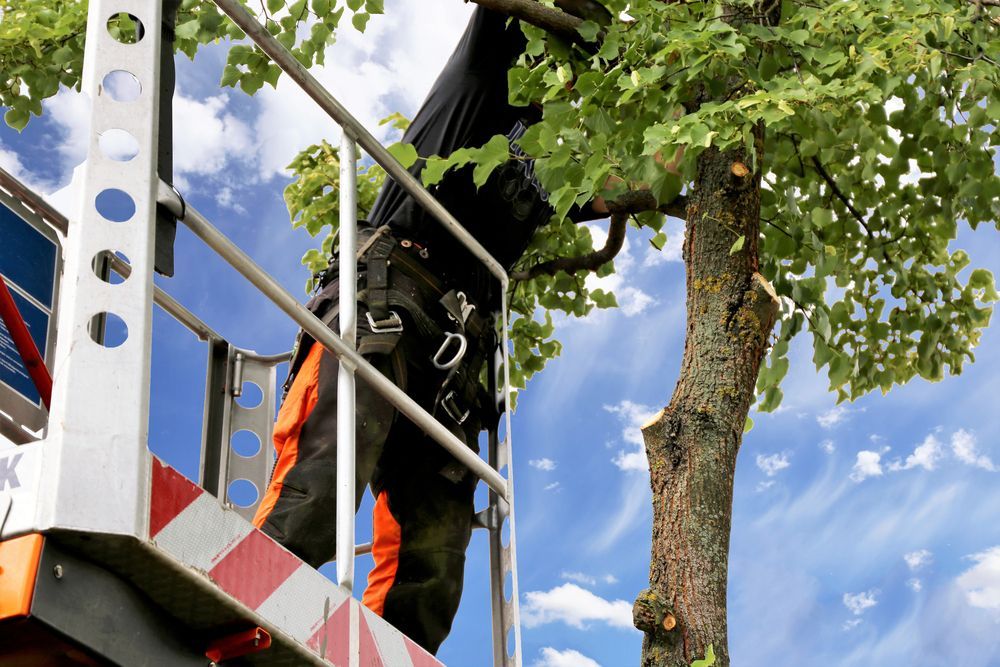
Branches Cleared From Structures and Walkways
Tree Trimming in Cranston and surrounding areas for overgrown canopies interfering with rooflines, driveways, and outdoor visibility
Overgrown branches scraping against your roof during windstorms, limbs blocking street visibility at your driveway entrance, or canopies so dense that grass struggles to grow underneath all indicate that routine trimming has been deferred longer than the trees can accommodate. Trimming removes specific branches that interfere with structures, obstruct sightlines, or create hazards without altering the overall tree shape or health. Edgewood Tree Service provides trimming for residential and commercial properties in Cranston, Providence, Johnston, and neighboring communities, addressing both immediate clearance needs and ongoing maintenance that keeps trees functional within your landscape. Rhode Island properties face seasonal challenges from nor'easters and winter storms that load branches with snow and ice, making regular removal of deadwood and weak growth essential to preventing failures during high-stress weather events.
The trimming process targets damaged, dead, or interfering branches while preserving the tree's natural structure and growth capacity. Cuts are made at proper locations to promote healing and prevent disease entry, with attention to maintaining safe clearance around buildings, walkways, and utilities.
Schedule regular maintenance to keep your trees properly cleared and reduce storm-related risks throughout the year.
What Routine Trimming Accomplishes
Trimming focuses on removing growth that creates functional problems or safety concerns rather than reshaping the entire canopy. Work includes clearing branches that hang over roofs where they drop debris into gutters, eliminating limbs that block sight lines for drivers backing out of driveways, and removing deadwood that accumulates naturally as trees mature but poses falling hazards during storms. Improved sunlight penetration allows grass and garden plants below the canopy to grow more vigorously, and better airflow through the remaining branches reduces humidity that contributes to fungal infections common in Rhode Island's summer climate.
Once trimming is complete, you notice immediate improvements in clearance around your home or building, with branches no longer contacting structures or obstructing views. Properties become safer because weak or damaged limbs that could fail during the next windstorm have been removed before they cause damage to roofs, vehicles, or landscaping below. Regular trimming programs prevent the need for more aggressive corrective work later by addressing minor issues before they require larger cuts or crown reductions.
Trimming differs from pruning in that it addresses immediate clearance and safety concerns rather than focusing primarily on long-term tree health and structure, though both services often overlap and can be performed during the same maintenance visit.
Answers to Trimming Service Questions
Property owners frequently ask these questions when planning trimming work for their trees.
Edgewood Tree Service handles tree trimming for properties throughout Cranston and the Providence, RI area, maintaining safe clearances and reducing storm risks through regular maintenance. Contact us at (401) 696-9677 to arrange service for your residential or commercial landscape.
How often should trees be trimmed?
Most residential trees benefit from trimming every two to three years, though trees near structures, utility lines, or high-traffic areas may require annual attention to maintain safe clearances and address new growth or storm damage.
What's the difference between trimming and pruning?
Trimming removes specific branches for clearance, visibility, or safety, while pruning focuses on improving overall tree health and structure by selectively removing growth to correct form, balance, and long-term development.
Will trimming harm my trees?
Proper trimming improves tree health by removing dead and damaged wood, but excessive or poorly executed cuts can stress trees and create entry points for disease, which is why cut location and timing matter.
Can trimming improve how much light reaches my yard?
Selective removal of lower branches and thinning dense interior growth allows more sunlight to filter through the canopy, benefiting lawns, garden beds, and understory plants that previously struggled in heavy shade.
What should I look for when evaluating trimming work?
Cuts should be made just outside the branch collar without leaving stubs, large wounds should be minimized by removing problematic branches while they're still small, and the tree's natural shape should be preserved rather than creating unnatural gaps or asymmetry.